PI Perspectives
Our take on important issues affecting the prevention community.

This 1-pager highlights SHINE’s investment in embodied, culturally grounded leadership pathways that transform individuals into collective leaders who sustain community power and action.

This 1-pager shows how SHINE builds and resources anchor organizations that become trusted go-to hubs, translating community power into concrete systems and policy wins.
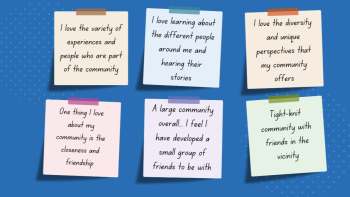
In this piece, Kalia Pannell reflects on growing up in El Paso and how dominant narratives about communities along our border often miss what matters most: relationships, resilience, and lived experience.

In today’s fast-paced news cycle, it’s easy to get swept up in striking statistics: percentages about government cuts, projections for the future, or data points tied to policy outcomes. But numbers alone rarely tell the full story. They don’t always reflect how changes are felt in communities, what people on the ground are saying, or who is stepping up to challenge inequitable policies and institutions. What we deem to be credible and valuable evidence has the power to shape what is possible for our communities. Narratives, built from collections of stories repeated over time, are central to

View this email in your browser With our hearts full, we congratulate Sheila Savannah on her upcoming retirement Prevention Institute began partnering with Sheila Savannah around 2007 when she was in a leadership role at the Houston Health Department. She had joined as Houston’s representative to our UNITY City Network, a group of health departments and mayors’ offices representing the largest cities in the U.S. that were advancing a public health approach to community safety and gun violence prevention. Immediately, we benefitted from Sheila’s unwavering commitment to systemic impact and



This guidance outlines requirements for Medi-Cal managed care plans to reinvest a portion of net income into community initiatives. It details funding formulas, eligible use categories, community engagement expectations, planning and reporting processes, and timelines for implementation and oversight.