The water policy we need centers health equity and racial justice.

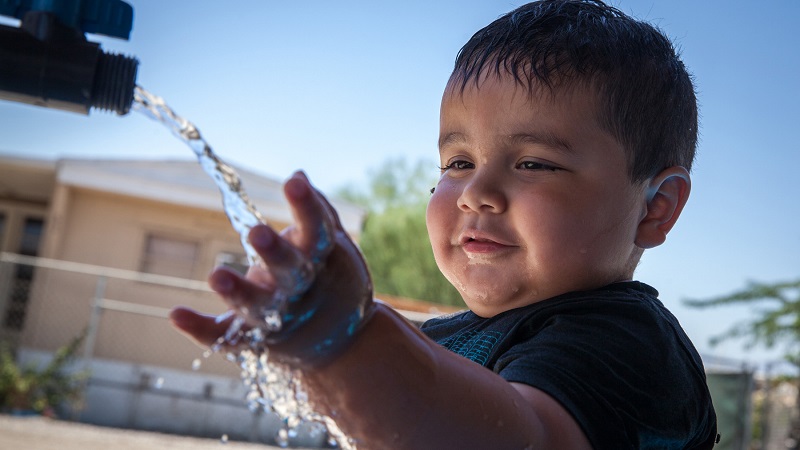
Boy at clean water pipe
Photo credit: Maria Esquinca/News21

Celebrating the 50th anniversary of the Clean Water Act and looking forward to community-based water policy.


October 18 marks the 50th anniversary of the Clean Water Act (CWA), a federal law to regulate water pollution in the United States. The CWA was a win for this country in many ways—as states across the nation implemented its mechanisms and regulated discharge into our surface waters, the environment improved along with our economy at a macro level. But the CWA has not fully addressed structural injustices that have impacted communities for decades. 

Failure to clean up contaminated soil and aquifers, and under-investment in water infrastructure leaves many communities—particularly communities of color with low-incomes—excluded from access to clean, affordable water. Having access to clean water is an important determinant of health that, when realized, nourishes the body, prevents disease, cleanses toxins, and improves agriculture and sanitation. Given increasing climate change, policies that address equitable access to this basic human right are needed now more than ever. 

In Cultivating a Healthier Policy Landscape: The Building Healthy Communities Initiative, a recent article penned by PI’s Juliet Simms, Rob Baird, Sarah Mittermaier, and Manal J. Aboelata, the authors examine how local public health departments can identify and secure policy and systems changes that will achieve health equity and improve health outcomes across diverse populations.


“To achieve health equity, we must address factors that drive elevated rates of illness and injury—and challenge the decisions, decision makers, policies, and practices that create and perpetuate inequitable conditions. This means addressing power imbalances, social and political hierarchies, and norms and values that perpetuate racism, discrimination, and exclusion.”


The Anniversary of the CWA is both proof of what we can achieve as a nation and a reminder that community-level policy needs to bake health equity and racial justice into all policies, from parks and green space, to water, to transportation and land use.


Read more about water equity:

A Time of Opportunity: Water, Health, and Equity in the Los Angeles Region highlights Prevention Institute’s efforts to improve water resilience and security. The paper explores community participation in water system decisions, linking infrastructure benefits to health and environmental disparities, climate change adaptation, and local water self-reliance. 
  
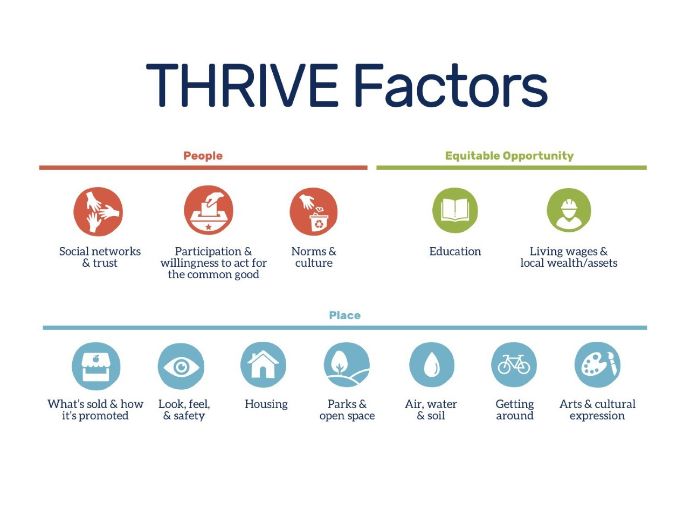
Given its interconnections with other environmental and social determinants of health, water is one of our THRIVE Factors.

Chart of Prevention Institute's THRIVE Factors

Our approach to water equity connects a range of environmental and social issues whose challenges and solutions are interwoven, from drinking water quality and stormwater management to urban greening and fiscal equity. It also recognizes the full spectrum of disparate environmental conditions that negatively impact the health of low-income communities of color—including air, soil and water pollution and disparities in natural and recreational amenities—and considers how system-level solutions may address or compound inequities.


Updates from Prevention Institute

Join Prevention Institute at the 2022 American Public Health Association (APHA) Annual Meeting from November 6–9. 

This year’s theme: 150 Years of Creating the Healthiest Nation: Leading the Path Toward Equity

On November 8, at 8:45 AM PST, Prevention Institute’s Sana Chehimi will present, Racism as a public health crisis: From declaration to action, and at 10:30 AM PST Ruben Cantu will present, The Role of Community-Centered Narratives in Community-Driven Change.


REGISTER: Lessons Along the Journey: Taking Action Toward Racial Justice in Public Health Systems


We launched Lessons Along the Journey: Taking Action Toward Racial Justice in Public Health Systems, a learning series funded by the W.K. Kellogg Foundation, to document our organizational journey toward emphasizing racial justice in our work to achieve health, safety, and wellbeing. On August 18, we discussed the role of public health in social movements for racial justice and health equity. Watch the recording.

Join us on Thursday, October 20, 10:30 AM PST / 1:30 PM EST to discuss cultivating authentic partnerships, power sharing, and responding to push back to anti-racism in practice.

We’re Hiring! 


Are you passionate about and want to support our work in racial justice and health equity? Well, we’d love for you to join the team. We have two positions open: 


Need Our Help?

We’ve got more than 25 years of experience supporting community collaboratives, practitioners, funders, and jurisdictions. Check out our services and reach out.