

Self-Care and Care of Community
Self-Care and Care of Community
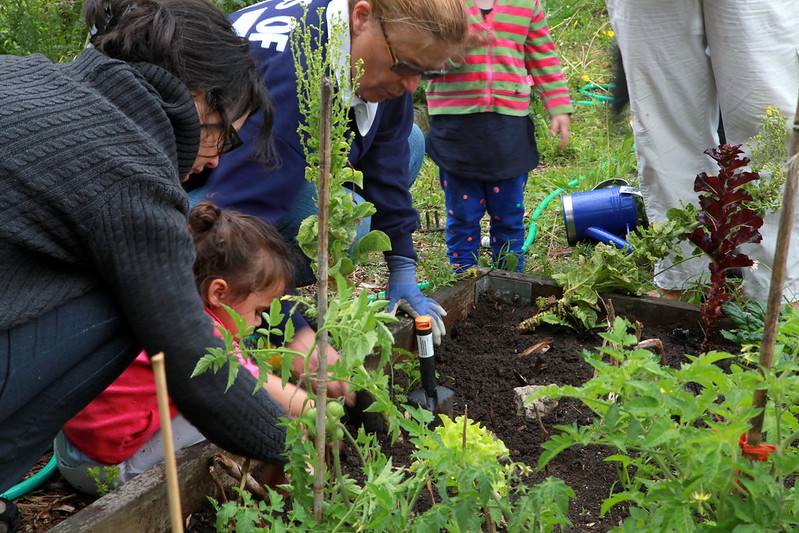
Image by d-olwen-dee on flickr
Often those with lived experience of structural racism and violence need to heal from the resulting trauma before we can think of engaging them in health and safety strategies. We must make sure that our efforts are trauma-informed and healing-centered to allow them the space and time to heal, which in turn can make them stronger messengers.
A note about healing. Healing is a starting point for community agency, which is necessary for effective collective action to find and engage in solutions for community health, safety, and wellbeing. Community healing within systems includes recognition of the harms and inequities that systems have and continue to generate and efforts to change power-dynamics and eliminate harm. While healing at the individual level may include trauma-informed care and mental health services, at the community level, it takes many different forms. This includes healing circles and vigils, restorative justice practices, community dialogues that acknowledge transgressions and identify solutions for moving forward, and engaging in cultural and artistic expression.[1]
An important takeaway from this recognition of trauma and healing is to treat messengers with lived experience with the respect and compassion that they deserve. Try to avoid instances where the stories and experiences of community members were leveraged for financial gain that did not benefit the residents themselves. It’s important to remember that community-centered narratives can and should help advance community- centered solutions and investments, rather than as an opportunity for external entities to extract a story for their own or others’ gain. Community members are worthy of respect and of sharing their stories on their own terms.
[1] Pinderhughes H, Davis R, Williams M. (2015). Adverse Community Experiences and Resilience: A Framework for Addressing and Preventing Community Trauma. Prevention Institute, Oakland CA.