In times of climate extremes, we need to manage stormwater for health and equity.
|
|
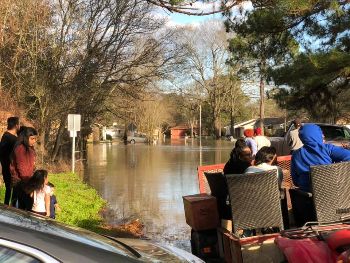
Extreme weather conditions have become the new normal. Northern California just experienced its driest February since 1864. And last week, parts of the Southeastern US were besieged by excessive rain and flooding. Rivers like the Pearl, Tennessee, Tombigbee, and Big Black reached major flood stage, putting communities at risk because the stormwater management systems in these regions can't handle the runoff.
In a new article about stormwater featured in Meeting of the Minds, PI’s Manal J. Aboelata and Elva Yañez explain the importance of putting health and equity at the forefront of stormwater decisions. Exposure to contaminated stormwater from street runoff, standing water, streams, lakes, or beaches can make people sick with gastroenteritis, respiratory illnesses, eye, ear, and skin infections, and other illnesses. And, all too often, it’s low-income communities and communities of color that are overburdened with exposure to stormwater and other sources of pollution.
|
|
Aboelata and Yañez make the case that in addition to protecting communities from flooding and exposure to contaminated water, we need to clean and save stormwater for future use: “Changing how we manage stormwater has the potential to preserve access to water for future generations; prevent unnecessary illnesses, injuries, and damage to communities; and increase investments in green, climate-resilient infrastructure, with a focus on communities where these kinds of investments are most needed.”
|
|
|
Green infrastructure’s multiple health benefits
|
|
Some communities have already begun identifying and implementing “green” solutions to address the problem of stormwater management. In November 2018, Los Angeles County voters passed the Clean, Safe Water Program and Funding Measure, which will generate up to $285 million per year to increase water supplies, improve water quality, and invest in green, resilient, livable communities. Green infrastructure projects have multiple benefits:
- Green stormwater infrastructure like rain gardens, bioswales, permeable paving, and green streets can capture and cleanse rain where it falls.
- Green infrastructure reduces toxic runoff and improves the safety and supply of our water system while creating healthy, green spaces in neighborhoods that need parks.
- Green infrastructure creates living-wage jobs in communities that need employment opportunities and can support local economic development. An economic analysis conducted in 2011 found that an investment of $188.4 billion over a five-year period in infrastructure to manage stormwater and preserve water quality in the U.S. would generate $265.6 billion in additional economic activity.
To learn how your community can change its stormwater management policies to protect communities and promote health equity, read Prevention Institute’s new fact sheet on stormwater, health, and equity.
* Photo Credit: City of Jackson, Miss.
|
|
|