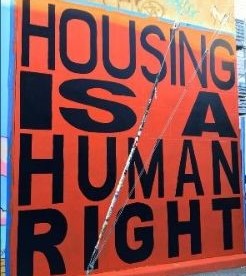
Tens of thousands of immigrant families would lose housing assistance and face eviction under new HUD proposal
|
|
On May 10, the Department of Housing and Urban Development posted a proposed rule in the Federal Register that would force families of mixed immigration status to choose between breaking up their families or facing loss of housing assistance and eviction. This is a choice that no one in our nation—or anywhere—should ever be forced to make.
Mixed-status families include some family members who are eligible for housing assistance based on their citizenship or immigration status and some family members who are not eligible for housing assistance (including people with Temporary Protected Status, work visas, and people without documentation). The proposed rule would bar currently eligible family members from receiving federal housing assistance or living in public housing if they live with immigrant family members who are ineligible for assistance.
|
|
|
If this rule change goes into effect, more than 25,000 families, including some 55,000 children, would face eviction or separation.
|
|
One of Prevention Institute’s guiding principles is that every person—including all immigrants, whatever their status—has worth and value and deserves the opportunity to be healthy. We also believe that our society as a whole is only as healthy as the least healthy member of our community, which is often the person who’s most vulnerable to attacks on their health, safety, and wellbeing. That is why we urge you to take action to stop this rule change from moving forward.
Here’s what you can do right now:
- Submit a public comment opposing this rule change by July 9.
- Contact your policymakers and ask them to speak out publicly against this rule change.
- Learn more. Visit Keep Families Together to download talking points and factsheets, and learn about upcoming advocacy opportunities.
- Write a letter to the editor opposing this rule change and send it in to your local newspaper.
Safe, affordable housing is critical for health (see more information below)—as are strong, stable family and social connections. Instead of cutting housing assistance and threatening immigrant families with eviction, we should invest in safe, stable, affordable housing. And instead of forcing more family separations, we should start treating immigrants with the respect and dignity they deserve.
|
|
What’s housing got to do with health?
|
|
Housing has a huge impact on health. We know that housing insecurity, living in unsafe or inadequate conditions, eviction, and homelessness can have devastating consequences for health, safety, and wellbeing.
People’s ability to stay in their homes and communities, rooted to their social networks, depends on the availability, quality, and location of affordable housing. The cost of housing directly impacts whether families can afford daily essentials such as food, transportation, education, and medical care, and can save money and build their assets over time.
Overcrowding and a high rent burden are associated with higher rates of emergency department visits for asthma and mental health issues, as well as hospitalization for hypertension. Residential overcrowding can also negatively impact children’s educational outcomes, impeding their study time concentration and sleep, and increasing their likelihood of catching communicable diseases that keep them home from school.
Additionally, the quality of affordable housing is directly linked to health; homes that are well maintained, free from toxins such as lead and mold, and that have proper ventilation and noise insulation reduce residents’ risks of exposure to carcinogenic pollutants, injuries, asthma, stress, and neurological disorders.
Fostering healthy, equitable communities means ensuring that all people have access to safe, affordable, stable housing. Learn more about housing, health, and equity on our website.
|
|
|