
Anne Rara
Email: Anne_at_preventioninstitute_dot_org
Anne Rara, MSPH
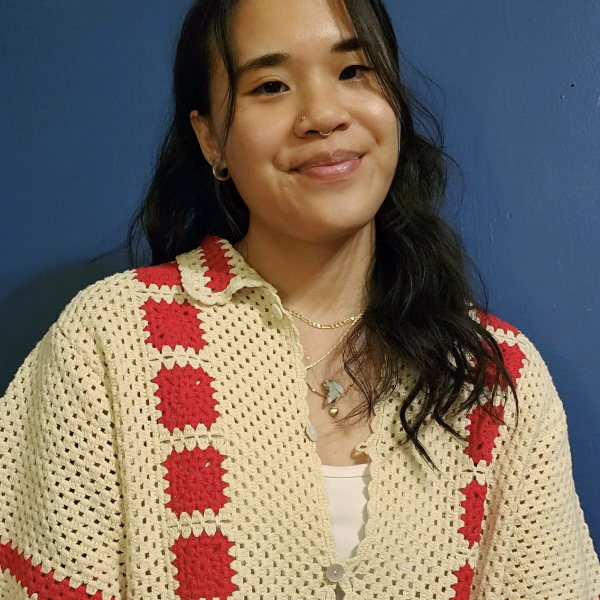
Anne Rara (they/she) is a Program Coordinator at Prevention Institute, where they partner with community-based organizations (CBOs), public agencies, philanthropic organizations, and community leaders to advance systems change and support community safety, health, and well-being. Their work focuses on designing and facilitating collaborative learning, supporting leadership development, conducting community-engaged research, and using narrative change and storytelling to translate evidence and lived experience into practical resources.
Since joining PI, Anne has supported learning communities that strengthen community-based approaches to youth and gender-based violence prevention, including Safety and Healing in Networks of Equity (SHINE) and the Community Violence Prevention Learning to Action Collaborative. They provide technical assistance and coaching on upstream public health approaches to violence prevention, data-informed decision-making, narrative change, storytelling, and coalition building.
Anne also contributes to applied research projects, such as a landscape scan for the Houston MSA and a regional environmental scan and SWOT analysis, that informs strategic planning and investment decisions. They led the development of the Living for We: Keep Ya’ Head up toolkit, which translates community-centered violence prevention frameworks and lived experience into an accessible resource that supports dialogue, reflection, and community-led action.
Before joining PI, Anne interned at Texas Appleseed, where they conducted policy and data analyses to support criminal justice reform initiatives in Texas, researching issues including fines and fees, pretrial justice, and equitable access to higher education.
Anne earned a Master of Science in Public Health (MSPH) in Health Policy from the Johns Hopkins Bloomberg School of Public Health. Their interests include narrative change and storytelling as tools for advancing health equity and community-centered violence prevention, alongside community-engaged research and systems change strategies. They bring a collaborative, relationship-centered approach that emphasizes co-creation and inclusive engagement to ensure programs reflect the strengths, priorities, and perspectives of the communities they serve.